


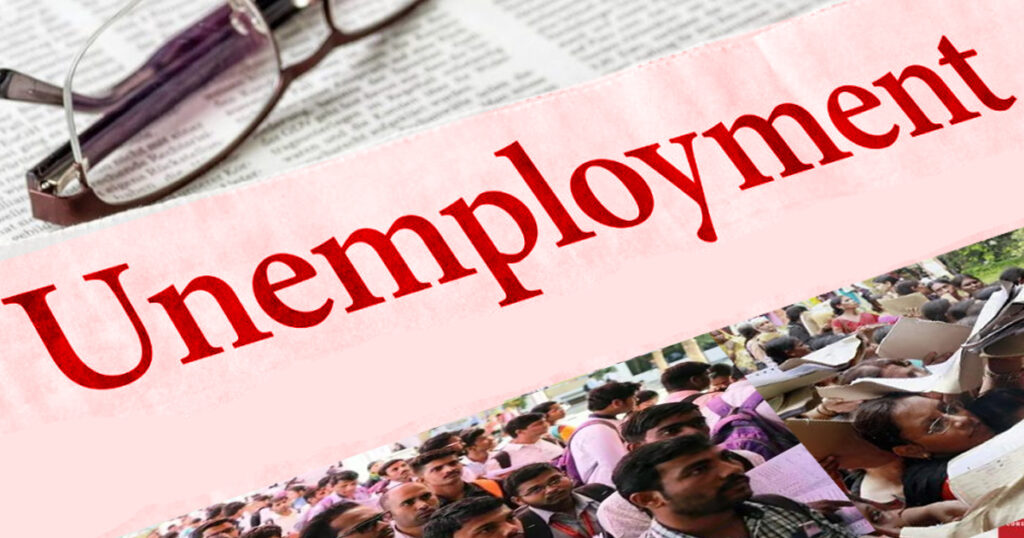
Unemployment occurs when people who are willing and able to work at prevailing wages cannot find a job. It is not just about individuals without any work at all; it can also include underemployment, where people work fewer hours than they would like or in jobs that do not use their skills. Different types of unemployment capture different reasons: structural unemployment comes from a mismatch between workers’ skills and available jobs, frictional unemployment arises during normal job search periods, cyclical unemployment is linked to economic downturns, and seasonal unemployment appears in sectors like agriculture or tourism.
High unemployment has serious consequences. For individuals and families, it means loss of income, reduced savings, stress, and sometimes long‑term damage to career prospects. For the economy, it means wasted productive capacity, lower consumer spending, and higher pressure on welfare systems. Solutions require both short‑term support and long‑term structural changes: improving education and vocational training, encouraging entrepreneurship and small businesses, supporting labour‑intensive sectors, creating stable policy environments that attract investment, and building social safety nets for those who cannot find work quickly. Reliable measurement of unemployment through regular surveys is also crucial so that policy is based on real data, not guesswork.






Leave a Reply