


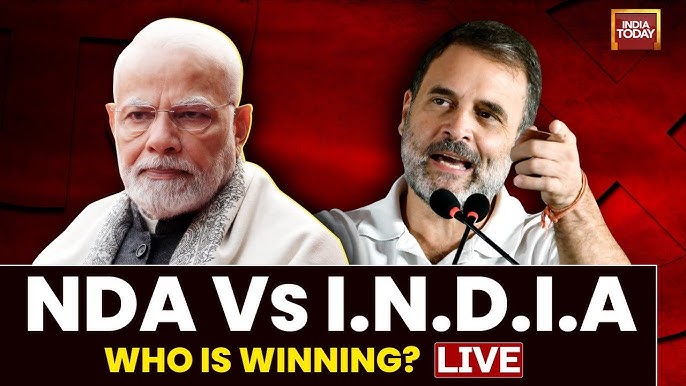
Elections are the process through which people choose their representatives to govern on their behalf. In India, this process is governed by the Constitution and managed mainly by the Election Commission of India (ECI), an independent body meant to ensure free and fair polls. India holds elections at multiple levels: Lok Sabha (Parliament), State Legislative Assemblies, local bodies (municipalities, panchayats), and to the offices of President and Vice‑President.
The basic election cycle starts with delimitation of constituencies, where the country or state is divided into areas from which one representative is elected. When an election is due, the ECI announces the schedule and the Model Code of Conduct (MCC) comes into force, restricting how governments and parties can behave during the campaign period. Candidates file nomination papers, which are scrutinised by officials to confirm their eligibility. After that, parties and candidates campaign, hold rallies, publish manifestos and reach out to voters.
On polling day, registered voters cast their votes at designated polling booths using EVMs (Electronic Voting Machines), usually along with VVPAT slips for verification. After polling ends, EVMs are sealed and kept securely until counting day. Votes are then counted under strict supervision and results are declared constituency‑wise, determining which candidates and which party or coalition forms the government. Citizens 18 and above who are on the electoral roll can vote, and there are specific rules about who can contest. The entire system is built to reflect the will of the people, and the credibility of this process is crucial to democracy.




Leave a Reply