


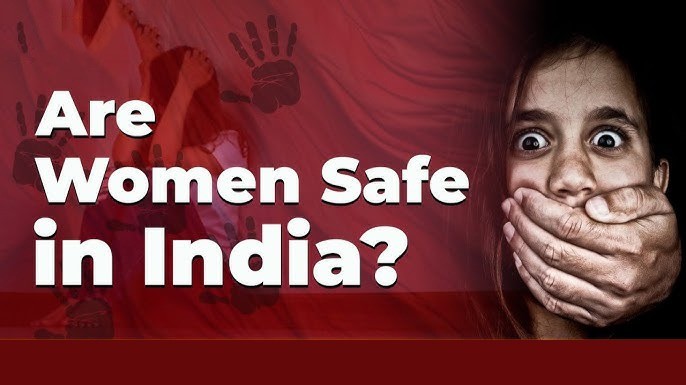
Women’s safety covers not only physical protection from violence but also freedom from harassment, discrimination and fear in homes, workplaces, public spaces and online. Threats can take many forms: domestic violence, sexual harassment at work or in educational institutions, stalking, street harassment, trafficking, and technology‑enabled abuse such as non‑consensual sharing of images and cyberstalking. The impact is not only individual trauma but also restrictions on mobility, education, employment and participation in public life.
Legal frameworks, police mechanisms, helplines, shelters and counselling services form one layer of protection, but they are effective only when accessible, sensitive and trusted. Preventing violence and harassment also requires changing attitudes: challenging everyday sexism, teaching children about consent and respect, and encouraging bystanders to intervene safely when they witness abuse. Urban planning and infrastructure—well‑lit streets, safe public transport, working CCTV in key areas—also influence how safe women feel. Ultimately, women’s safety is not a “women’s issue” alone; it is a measure of how just and humane a society is for everyone.




Leave a Reply