


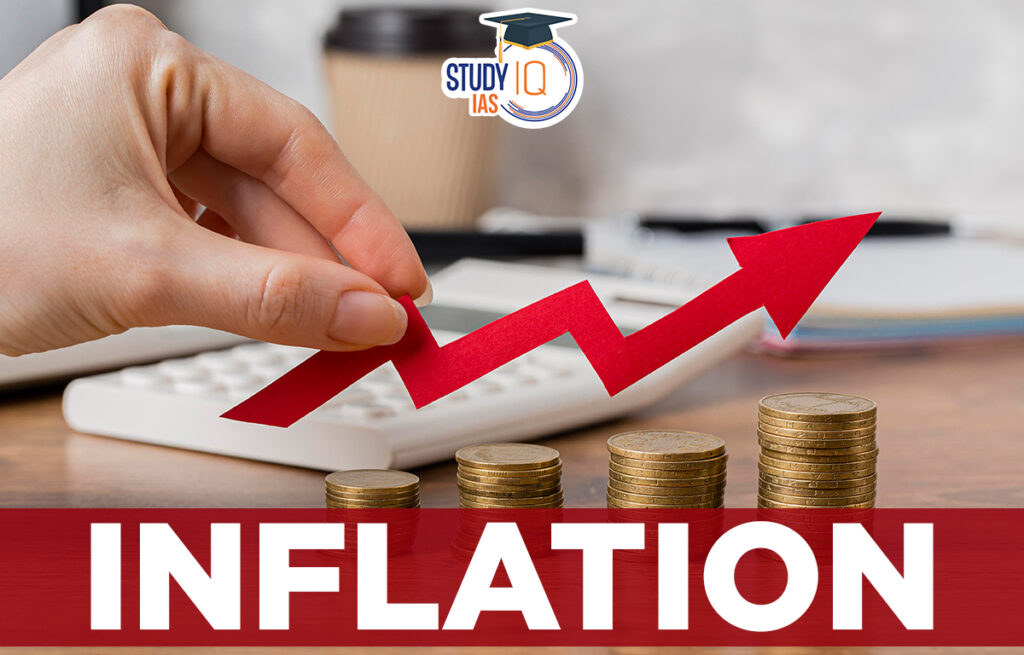
Inflation is the general rise in prices of goods and services over time, which means that each unit of currency buys fewer things than before. If your monthly grocery basket costs 5,000 rupees this year and 5,500 rupees next year with the same items, you are experiencing inflation. A low and stable level of inflation is considered normal in a growing economy, but very high or very unpredictable inflation harms people and businesses.
Economists measure inflation using price indices such as the Consumer Price Index (CPI), which tracks the prices of a fixed “basket” of commonly used goods and services, and the Wholesale Price Index (WPI), which focuses more on prices at the wholesale level. There are different types of inflation: demand‑pull (when demand is higher than supply), cost‑push (when production costs rise, like fuel), and built‑in inflation (when workers expect higher prices and demand higher wages). Inflation affects savings, interest rates, wages and purchasing power. Central banks use tools like interest rate changes and control of money supply to keep inflation within a target range, so that people and businesses can plan with some confidence.



Leave a Reply